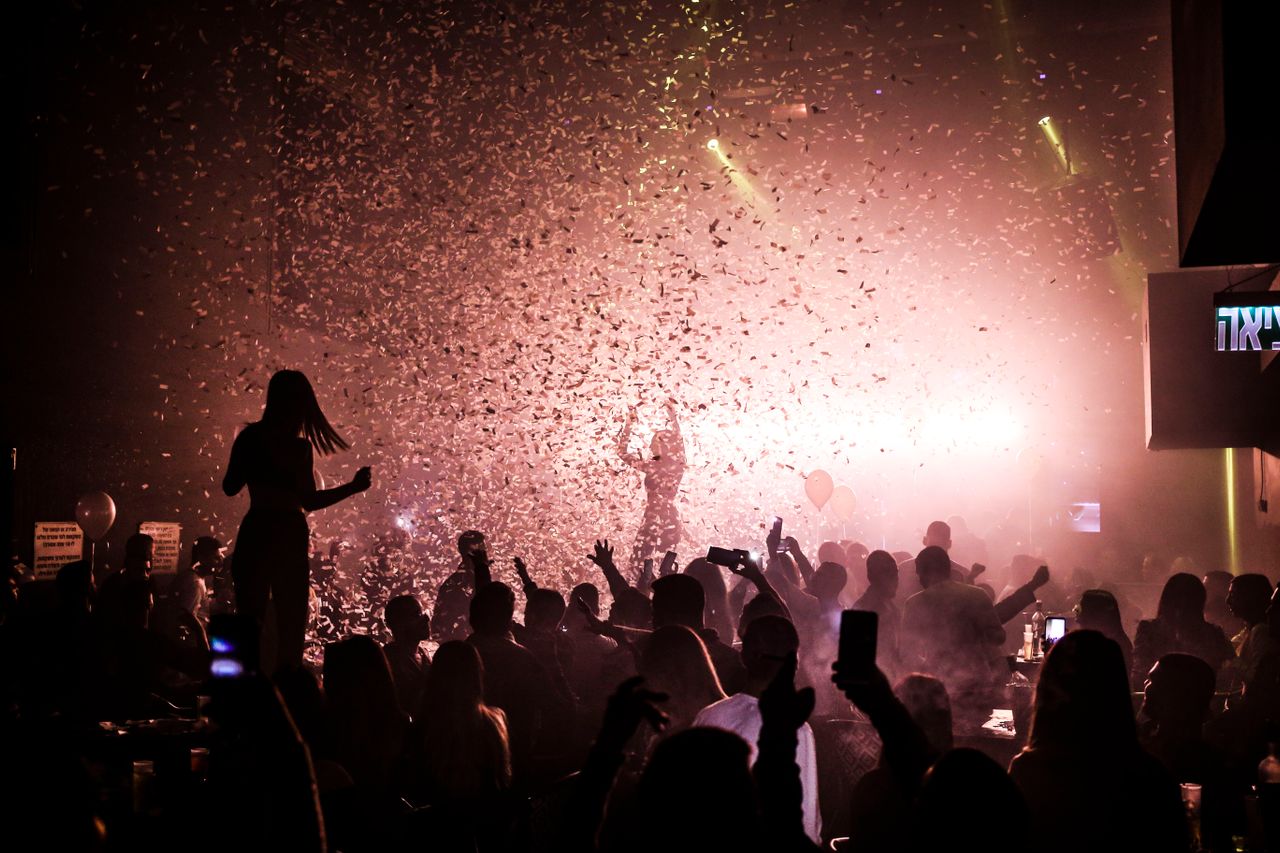
Raleigh has a reputation as a research and university city, which is accurate — but it undersells what happens here after sundown. Downtown has five walkable entertainment districts, over 80 live music venues, and a bar scene that ranges from dive bars to rooftop lounges with skyline views. Whether you are a longtime resident looking for something new or a visitor planning your first night out, the city offers considerably more than most people expect.
The Entertainment Districts Worth Knowing
Understanding Raleigh’s geography makes planning a night out much easier. The city’s main entertainment areas each have a distinct character.
Glenwood South is the most active district for nightlife, with a dense concentration of bars, clubs, and restaurants along a walkable stretch. It draws a mixed crowd of locals, students, and visitors, and the energy peaks on Thursday through Saturday nights. Venues range from upscale cocktail bars to high-volume clubs.
The Warehouse District sits just southwest of downtown and has a more independent, arts-forward identity. Historic industrial buildings now house music venues, galleries, and bars with more personality than the mainstream Glenwood South options. The Ritz, a 1,400-capacity live music venue operated by Live Nation, anchors this area.
Fayetteville Street is Raleigh’s main downtown corridor, lined with a mix of rooftop bars, upscale lounges, and casual taverns. The street connects the State Capitol to the convention center and is the site of most major outdoor festivals and events.
Five Points offers a quieter, neighbourhood-bar feel — vintage shops, cozy cafes, and the historic Rialto Theatre give the area a distinctly local character compared to the more tourist-facing districts.Live Music: Where Raleigh Genuinely Excels
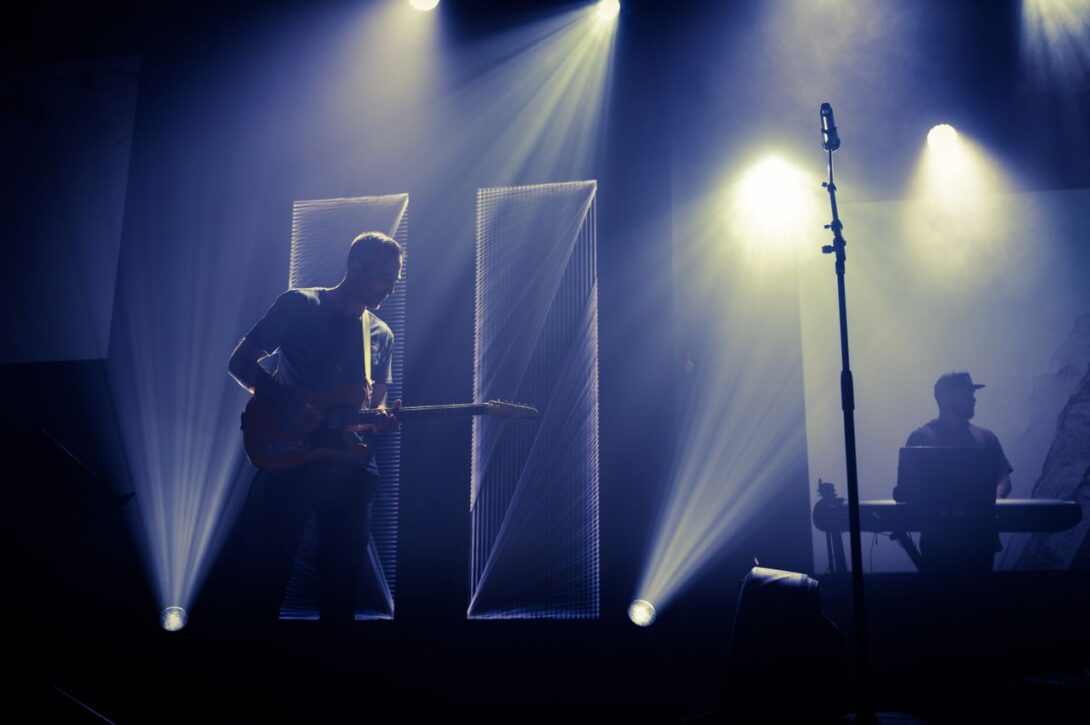
Live music is where Raleigh’s entertainment scene is strongest, and the range of venues covers most genres and most budgets.
Red Hat Amphitheater is the city’s premier mid-sized outdoor venue, located in the heart of downtown with Raleigh’s skyline as a backdrop. With a capacity of around 5,000 and a Live Nation booking partnership, it draws national touring acts from April through October. Vampire Weekend, Kaleo, and Chappell Roan have all performed here recently.
The Ritz handles larger indoor shows — up to 1,400 guests — with strong sound and lighting systems, a mezzanine level, and multiple bars. Rock, hip-hop, and electronic acts fill the calendar year-round.
Lincoln Theatre punches above its weight in terms of acoustic quality and atmosphere. It looks modest from the outside but has a warm room with excellent sound and affordable ticket prices — a good option for mid-sized acts across genres including rock, folk, and country.
Kings is the intimate option: a 265-capacity venue that has been part of the Raleigh music scene since 1999, with a speakeasy-style bar downstairs and a main hall upstairs for local, national, and international acts.
The Pour House Music Hall & Record Shop on Blount Street combines a functioning record store with a live music venue — an eclectic concept that works, drawing audiences for everything from indie rock to jazz to experimental sets.
For larger productions, Lenovo Center — home to the NHL’s Carolina Hurricanes — hosts major arena shows, bringing acts to Raleigh that would otherwise require a trip to Charlotte or Atlanta.
Bars, Rooftops, and Something for Every Mood
Beyond the music venues, Raleigh’s bar scene covers most preferences.
Raleigh Beer Garden is a hard stop for craft beer enthusiasts. It claims the largest selection of draft beers in the world — over 350 taps across two floors — and the rooftop terrace is one of the city’s best outdoor drinking spots regardless of what’s on tap.
Boxcar Bar + Arcade in downtown combines over 100 classic and modern arcade games with 24 craft beers on tap and cocktails. It draws a wide age range and is particularly good for groups who want something to do between drinks.
The Willard Rooftop Lounge in Glenwood South has two heated terraces and an indoor lounge, serving cocktails and Mediterranean-inspired bites with views across downtown. It runs warmer and more polished than most Glenwood South options.
Moon Room is worth knowing for jazz evenings and vinyl DJ sets in a more relaxed, sophisticated setting — a counterpoint to the higher-energy clubs nearby.
Visitors planning a trip to Raleigh who want to research digital entertainment options alongside their nightlife itinerary — particularly those arriving from German-speaking markets — often use resources like https://beste-casinos-ohne-oasis.de/, which compares online leisure platforms and their conditions in detail. The city’s official Visit Raleigh nightlife guide is equally worth bookmarking, covering all five downtown entertainment districts with regularly updated venue listings.
Annual Events That Define the Calendar
Raleigh’s entertainment year has a few anchor events worth planning around.
Hopscotch Music Festival takes over downtown every September, turning the city into a multi-venue festival with performances across bars, clubs, theatres, and outdoor stages. It covers an unusually wide range of genres and has built a strong reputation nationally for its booking quality.
Raleigh Wide Open (formerly the IBMA Bluegrass Festival) runs in September and draws bluegrass fans from across the country for concerts, jam sessions, and industry events centred around the International Bluegrass Music Awards.
First Friday is a monthly arts event running through downtown galleries and studios on the first Friday of each month, with extended hours, open studios, and a generally festive atmosphere that extends into the bars and restaurants nearby.
Practical Notes for a Night Out
A few things worth knowing before heading out:
- Getting around: The R-Line is a free downtown circulator that connects most of the main entertainment districts. Uber and Lyft are widely available for longer distances. Parking near Glenwood South on weekends fills quickly — arriving before 9pm makes a difference.
- Cover charges: Most bars in Raleigh do not charge a cover. Live music venues typically charge $15–40 depending on the act, with major arena shows priced higher.
- Tipping: Standard US practice — 18–20% is expected at bars and restaurants.
- Last call: North Carolina law sets last call at 2am.
- ID: The legal drinking age is 21, and most venues card anyone who appears under 30.
Raleigh’s nightlife has grown considerably over the past decade, driven by population growth, university energy from NC State, and investment in downtown infrastructure. It remains more relaxed and less expensive than comparable scenes in larger cities — which for many visitors is precisely the point.